
Start with the landscape
A useful brief considers the areas to be watered, how the garden is used, future planting or paving, sun exposure and the difference between open lawn and planted beds.
A considered plan for lawn, garden beds and outdoor spaces—starting with the site, water supply and the decisions that make a new system easier to use.
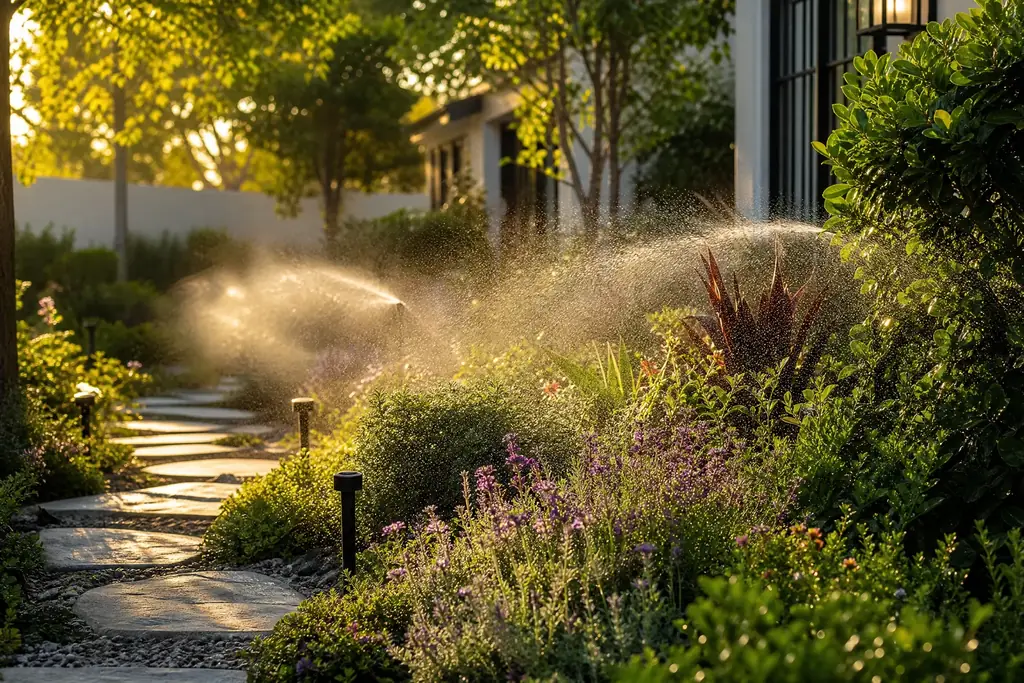
Design before digging
A suitable installation plan should connect the landscape you have now with the water supply, access and maintenance needs behind it. That gives you a better basis for discussing scope before site work begins.
A practical planning brief
For Brisbane and Ipswich properties, a productive design conversation starts with what needs watering and how the site works. It is also the right time to identify unknowns that need to be checked before a final installation approach is agreed.
A useful brief considers the areas to be watered, how the garden is used, future planting or paving, sun exposure and the difference between open lawn and planted beds.
The water source, working flow and pressure influence how a system can be divided into zones and which equipment is appropriate. These details are worth assessing before a layout is finalised.
Lawn sprinklers, drip irrigation and other fittings suit different spaces. Selection should account for plant type, boundaries, coverage needs and access for future adjustment.
Pipe routes, access, trenching and reinstatement affect the installation scope. They should be discussed clearly before work begins, especially around established gardens, paths and services.
Watering method and equipment
Open lawn often calls for a sprinkler layout that respects lawn shape and hard boundaries. Garden beds, narrow planting and areas near paths can call for a more targeted approach, such as drip irrigation. The right choice is not a standard package—it is an equipment decision informed by the site.
Before equipment is selected, the water source, working flow and pressure should be considered together. These conditions affect zone design and whether irrigation components can operate as intended, without relying on assumptions about what the supply will support.
Site work and scope
Pipework has to reach the places it serves, which makes the path through a property part of the design—not an afterthought. Established landscaping, driveways, paths, garden edging and likely underground services can all influence a practical route.
Access for people and equipment, where trenching may occur, and the expected reinstatement of affected areas should be part of the booking discussion. Installation scope varies by property, so it is better to clarify these details than assume a price or process that has not been confirmed.
Local supplier. Established components.
Rainedge Irrigation works closely with Designer Watering Systems in Seventeen Mile Rocks as a local irrigation supplier. We use components from established brands including Rain Bird and Hunter in our irrigation work.
The right part depends on the system, water supply and area being watered—not the brand name alone. For an existing system, the controller or sprinkler model helps us discuss compatibility and appropriate replacement options.
Installation questions
It helps to share your Brisbane or Ipswich suburb, whether the project is a new garden or an established landscape, the areas you want watered and your water source. Photos, a simple site sketch and notes about paths, retaining walls or future landscaping can make the initial discussion more productive.
They can be part of one overall system, but they may benefit from separate zones and different equipment. Lawn areas are commonly considered for sprinklers, while planted beds may be better suited to drip irrigation. The appropriate arrangement depends on the site, plants and available water supply.
Pipework often needs a route below or around parts of the landscape, but the exact approach depends on access, existing services, paving, garden features and the proposed design. Trenching and reinstatement are important scope decisions to agree during the booking discussion rather than assumptions to make after work starts.
A suitable installation plan should allow for each zone to be checked in operation, with sprinkler direction or drip delivery reviewed as appropriate. Controller operation, the schedule and routine maintenance points can then be explained so you know how to run and monitor the system.
Discuss your site
Tell us about your lawn, garden beds, water source and access. We can discuss what a Brisbane or Ipswich installation enquiry needs to cover before any work is agreed.
Explore local irrigation services
Rainedge Irrigation provides irrigation installation discussions for Brisbane and Ipswich properties. If the immediate issue is an existing system that is not working as expected, repairs and system checks remain the right place to start.